

Alaska is a land of contrasts: icy glaciers rise above verdant forests, fjords carve through jagged mountains, and wildlife thrives in pristine, remote ecosystems. Expedition cruising offers the ideal way to experience this wild landscape, blending adventure, education, and immersive exploration in ways that larger traditional cruises cannot.
Smaller ships navigate channels and coves inaccessible to bigger vessels, allowing travelers to witness the state’s natural wonders up close while learning from onboard naturalists and local experts.
“Life is either a daring adventure or nothing at all.” – Helen Keller
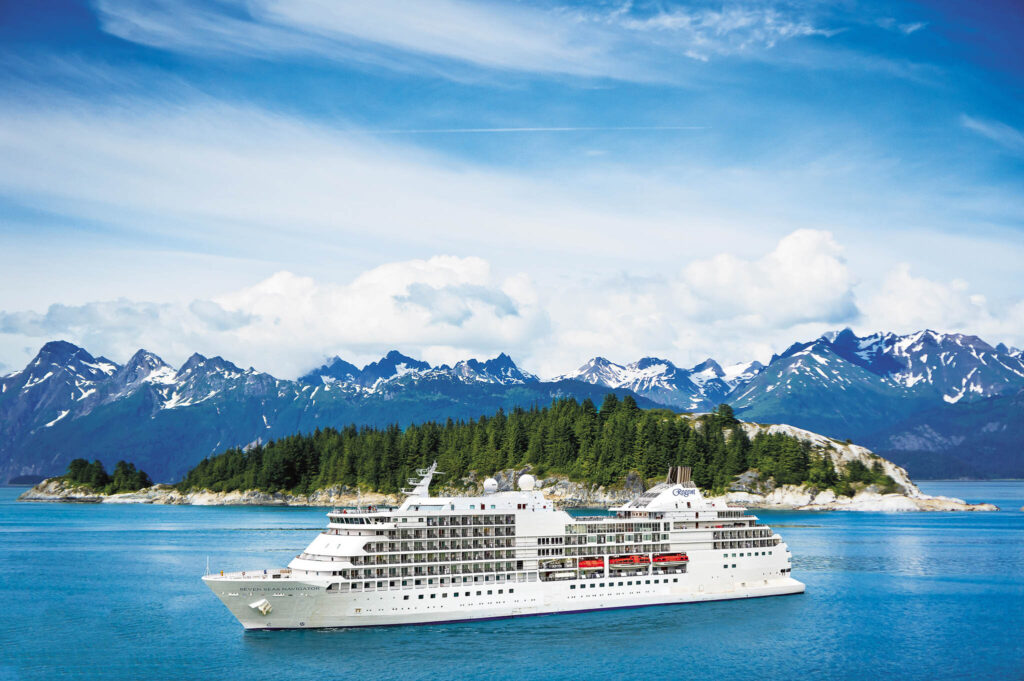
Why Expedition Cruising is the Ultimate Alaska Experience
Expedition cruises prioritize exploration and an intimate experience with the destination.. Smaller ships carry fewer passengers, enabling flexible itineraries that adapt to weather and wildlife activity.
Guests can glide past calving glaciers in Zodiac boats, kayak through quiet fjords, or hike trails through untouched wilderness. Educational programs provide context for every encounter, whether it’s a lecture on glacier formation, wildlife behavior, or Indigenous culture.
Unlike traditional cruises, expedition journeys focus on access and discovery. From secluded coves and hidden waterfalls to small communities often overlooked by larger vessels, expedition cruising allows travelers to immerse themselves fully in Alaska’s ecosystems. Travelers gain not just visual experiences, but a deeper understanding of the state’s natural and cultural heritage.
Seasonal Highlights: Choosing the Right Time
Alaska’s expedition season generally runs May through September, with each month offering distinct experiences. Early-season travelers in May enjoy fewer crowds, blooming wildflowers, and active wildlife emerging from hibernation. June is peak season for whales, bears, and migratory birds, with almost constant daylight perfect for exploration.
July offers warm temperatures, lush landscapes, and frequent glacier calving, providing dramatic photo opportunities. August brings slightly smaller crowds and optimal conditions for kayaking, hiking, and Zodiac excursions. September marks the transition to fall, with colorful foliage, wildlife preparing for winter, and the chance to see the northern lights.

Wildlife Encounters
Alaska is home to a remarkable diversity of wildlife, and expedition cruising offers close encounters without disturbing their natural habitats. Humpback and orca whales traverse the fjords and open waters, while brown and black bears forage along rivers and coastal shorelines. Bald eagles perch on treetops or soar overhead, and sea otters, seals, and sea lions are commonly seen along the coastline. Birds such as puffins, murres, and migratory shorebirds provide opportunities for birdwatching and photography.
Expert naturalists onboard help guests identify species and explain behaviors, turning simple sightings into rich educational experiences. Expedition cruising also emphasizes sustainable wildlife observation, ensuring that encounters are both safe and respectful to the environment.
Scenic Highlights and Exploration
The landscapes of Alaska are as dramatic as they are diverse. Tidewater glaciers like Hubbard, Margerie, and Mendenhall provide a front-row seat to nature’s power, with occasional calving events that thunder into the sea.
Fjords such as Tracy Arm, Endicott Arm, and Icy Strait offer narrow waterways flanked by sheer cliffs, allowing travelers to experience the state’s rugged beauty up close.
Inland, numerous mountain ranges dominate the horizon, their peaks often capped with snow even in summer.
National parks such as Glacier Bay, Kenai Fjords, Katmai, Lake Clark, and Wrangell-St. Elias offer protected landscapes, abundant wildlife, and opportunities for hiking, photography, and guided excursions. Expedition cruises frequently plan routes to maximize scenic variety, from iceberg-strewn bays to quiet forested inlets.
Onboard and Shore Activities
Expedition cruising is designed to be interactive and immersive. Onboard, passengers can attend lectures on wildlife, geology, or Alaskan history, participate in photography workshops, and enjoy meals featuring fresh, local ingredients, including Alaskan seafood.
Shore excursions are the heart of the experience. Travelers can kayak alongside glaciers, ride Zodiac boats into secluded coves, hike trails through untouched wilderness, or visit Indigenous villages to learn about cultural traditions.
For adventurers, many expeditions offer sportfishing, rafting, and helicopter tours. Photography enthusiasts benefit from small-ship access and flexible schedules, ensuring the best vantage points for capturing Alaska’s natural grandeur.
Sample Expedition Itineraries
HX Expeditions – Inside Passage, Bears & Aleutian Islands (Northbound, 18 days)
Departing from Vancouver, this itinerary explores the Inside Passage, Prince William Sound, Kodiak and Katmai, through the Bering Sea up to Nome. Guests participate in Zodiac and kayaking excursions, hike remote trails, and visit Indigenous communities and historic towns. Wildlife includes bears, seals, sea otters, and whales, while onboard lectures and expert guides provide deep insight into the region.
Lindblad Expeditions – Alaska’s Inside Passage (8 days)
Traveling from Juneau to Sitka or round-trip from Seattle, this expedition highlights fjords, glaciers, and national parks. Guests engage in kayaking, paddleboarding, and Zodiac excursions, and naturalists lead educational programs and facilitate wildlife observation. Conservation presentations and community visits provide context for Alaska’s ecosystems and cultures.
Both itineraries exemplify the flexibility, education, and adventure that define expedition cruising, catering to travelers seeking active engagement with the environment.
Selecting the Right Expedition Cruise
When choosing an expedition cruise, consider ship size, itinerary, activity level, and seasonal timing. Smaller vessels provide intimate, immersive experiences and access to remote areas, while slightly larger expedition ships may offer additional amenities and comfort. Active travelers should prioritize itineraries with kayaking, hiking, or Zodiac excursions, while those seeking a more relaxed journey can focus on scenic cruising, wildlife observation, and cultural visits.
Working with a travel advisor ensures the experience is tailored to your preferences. Advisors can recommend the best ship and itinerary, optimize timing for wildlife and weather conditions, arrange pre- or post-cruise stays, and provide guidance on excursions or photography opportunities.
Practical Tips for Travelers
Packing for an Alaska expedition requires careful preparation. Layered clothing, waterproof outerwear, sturdy footwear, and binoculars are essential, as weather conditions can change rapidly.
Travelers should follow onboard safety protocols, maintain respectful distances from wildlife, and choose operators committed to sustainable practices.
Families, solo travelers, photographers, and adventure enthusiasts can all find itineraries suited to their energy levels and interests, whether seeking active adventure or contemplative exploration.

Final Thoughts: The Last Frontier Awaits
Alaska expedition cruising is more than sightseeing—it is a deep immersion into one of the planet’s last great wildernesses. Every day presents new opportunities: glaciers calving into fjords, whales breaching near the ship, bears roaming untamed shores, and eagles soaring above. Travelers gain both adventure and understanding, with experiences that leave lasting impressions.
For travelers seeking adventure, wildlife encounters, cultural immersion, or the sheer thrill of Alaska’s landscapes, expedition cruising provides a front-row seat to some of the most dramatic scenery on Earth. Step aboard, embrace the wild, and let the Last Frontier inspire your soul.


